



The Colosseum and the Pantheon to open at night in August
- August 3, 2026
- Colosseum area, Pantheon area, What's On in Rome

 by C. P.

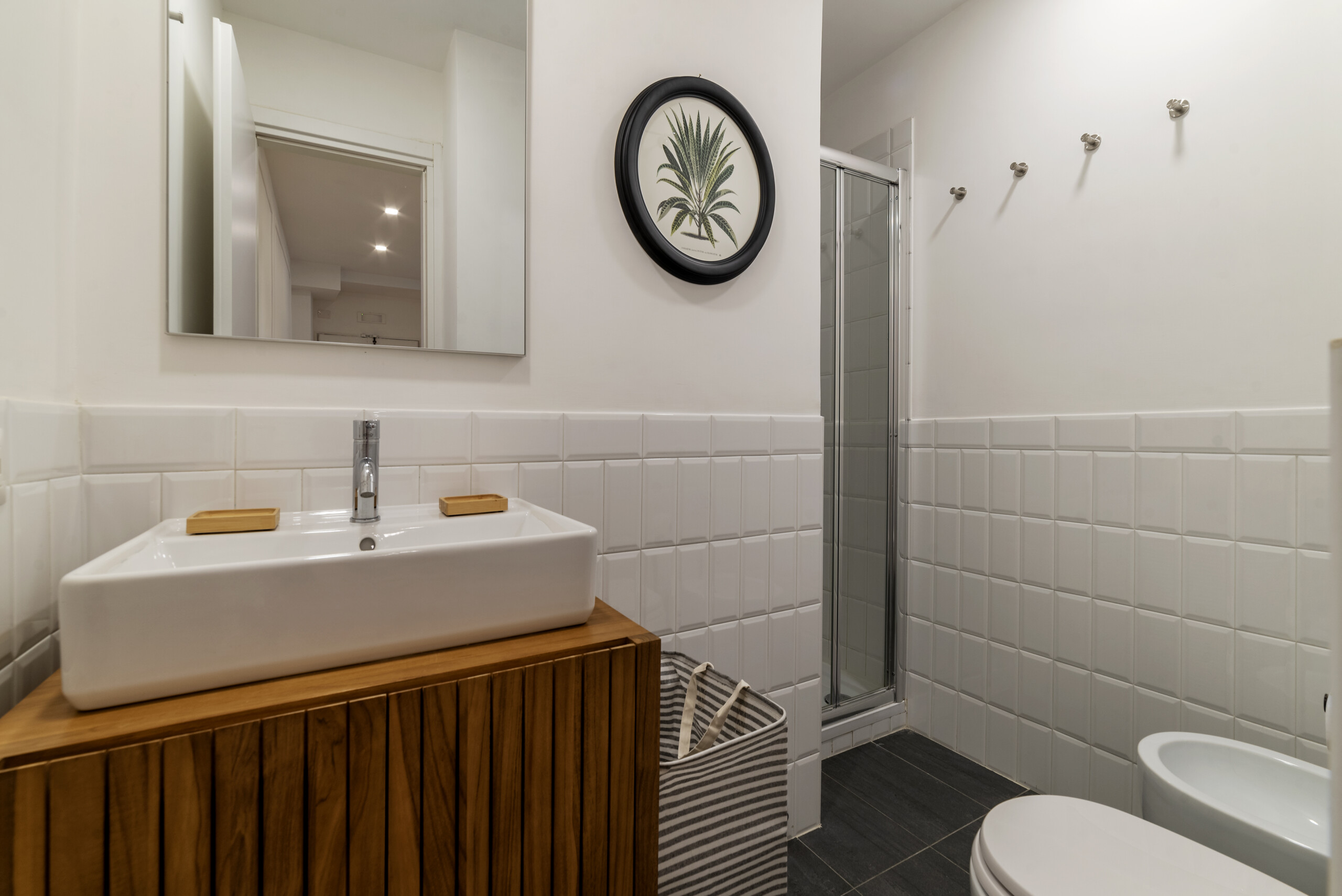
Think of this post as a little help/public service announcement of sorts, inspired by numerous conversations and requests for clarification from first-time visitors to the city of Rome! In it, we want to explain why a bathroom in Rome looks the way it does, and why some fixtures are shaped a certain way… or what they do.
Because the vast majority of our managed properties are located in the historic center of Rome, and because this area of the city is protected for its artistic value, in addition to being a UNESCO World Heritage Site, building in it is strictly regulated: this is why the layout of the apartments that From Home to Rome rents out tends to be the same everywhere.
One of the most common questions we get about the apartments themselves is why they are so small and not very comfortable by modern standards – the shower is small, there are no windows, etc. There is no denying that the toilets in the center of Rome are often not the best! There is also no denying that the majority of the buildings near the monuments date back to the Middle Ages or the Renaissance, and are often built with materials that were used in the Roman empire, so this creates a unique challenge for the modern resident…
In ancient times, few dwellings had toilets/latrines, and some houses or floors of the building lacked them entirely. People used open spaces or communal toilets. In the Middle Ages, a kind of platform with holes in the floor was used: excrement fell from above, often on unsuspecting passers-by – in fact, this is the premise of one of Boccaccio’s Decameron stories! Sights like this one are not uncommon in Rome – those were the landings in question! In today’s layouts, they have – and luckily so, for every passerby – been transformed into extensions for kitchens or, that’s right, bathrooms.
As recently as the late 19th century, it was not uncommon for some apartments to share one or two toilets on the same floor!
Then came the modern age, and with it smaller families who needed differently designed spaces. As privacy became more of a priority, more modern bathrooms began to appear. With limited building space in the city center, retrofitting bathrooms and toilets was a real problem. Modernity beckoned, but residents didn’t want to violate local or international laws. Most of the buildings you see were made by shaving off space from bedrooms or living rooms. That’s why bathrooms often lack windows. In fact, missing windows are often a sign that the building you’re in is several centuries old!
With (part of) toilet history out of the way, we know that visitors may be confused by some of the features of central Roman bathrooms. We’re here to help!
Given what we’ve just explained about how (more) modern bathrooms came to be in central Rome, it’s really no surprise that shower stalls are smaller than what you’re probably used to. Bathtubs are also one of the most sacrificed features, as they take up a lot of floor space considering the average size of a Roman apartment, which is why they are not seen very often in apartments that are also very central.
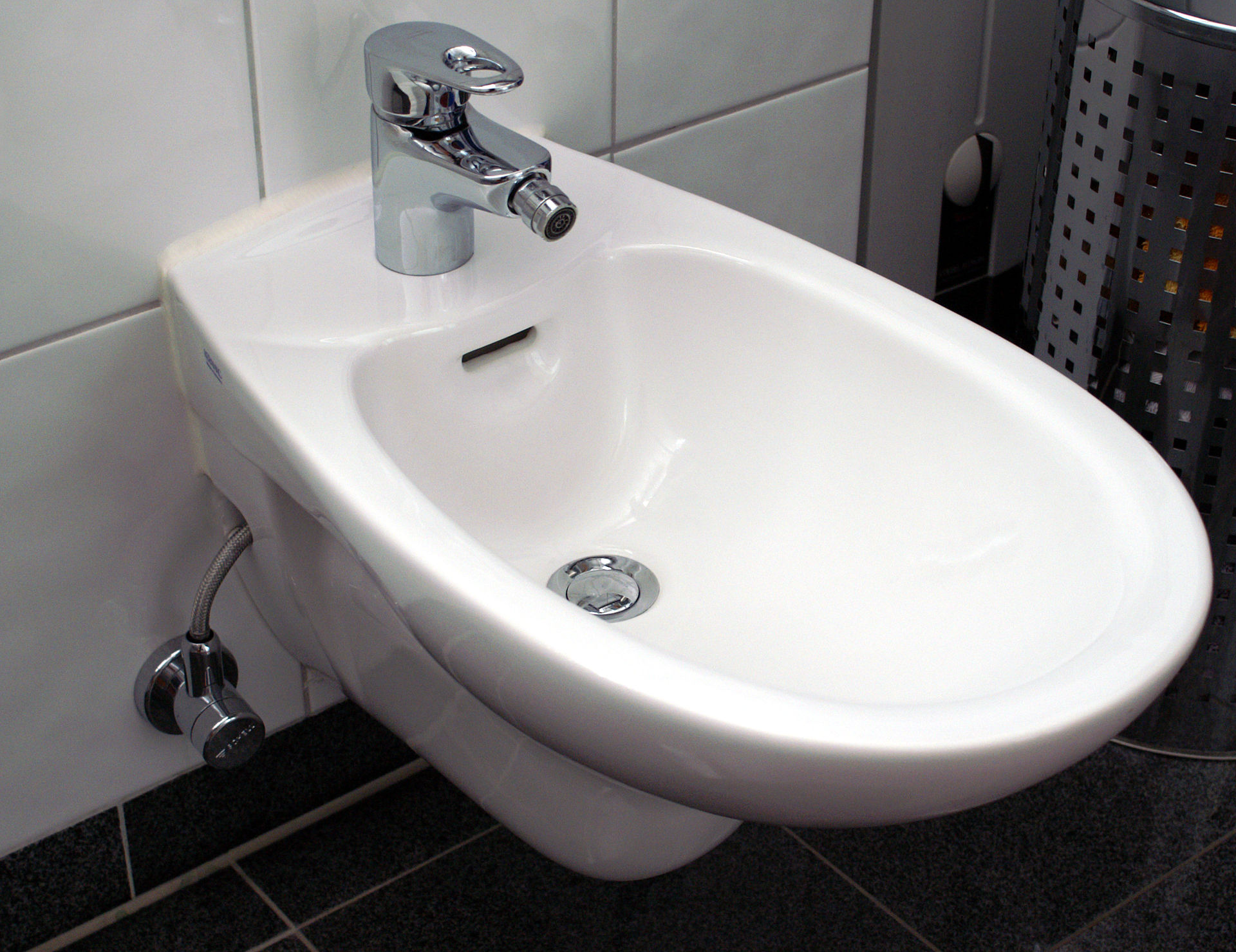
At the risk of sounding obvious, we need to explain what this is in the picture above. What you’re looking at is not (all the following come from actual conversations and questions):
The one above is the original bidet (the ones for sale on popular platforms like Amazon use the same name, but they are not), which is a French-invented basin for washing one’s privates. Please see your local version of Wikipedia or Quora for a detailed history of this and… how to use it. We cannot help with that specific part 🙂
A bidet also comes in handy for washing your feet if you’ve been wearing flip-flops or sliders downtown. Want to use it to wash your clothes? Please do! Just don’t use it to… relieve yourself.
The photo you can see here shows another common feature in Roman and Italian bathrooms: the cord or string is very often present in the shower stall. This is connected to a buzzer that would have alerted other people in the same apartment, or a concierge in a hotel, that someone had injured themselves while showering (slipped, hit their head, felt faint, etc.). “Would have” is of the utmost importance here.
The reality is that, as explained in the blog we linked to, tourists often abuse the poor cord and pull it unnecessarily, so most of these cords no longer work. However, if you hear a buzzer go off when you pull them… that means they do. No one is going to come knocking on your bathroom door, or apartment door for that matter, except your immediate traveling companion!
Let’s put it this way: your holiday will be over at some point, and you’ll be back to what you are most used to. However, small, different toilets are a trade-off for experiencing a living, breathing historical city!



Join The Discussion