



The Colosseum and the Pantheon to open at night in August
- August 3, 2026
- Colosseum area, Pantheon area, What's On in Rome

 by C. P.

Somewhere else on this blog we introduced you to the local jargon of Rome, romanesco, but what we failed to mention there, other than the basics of this ancient language, is how full of humour it is & how sarcastic.
Take for instance the expression “fare il giro delle sette chiese“. It literally means “having to tour the seven churches” and it indicates, much like the English expression “having to jump though hoops” that someone had to do something strenuous and long in order to get what they wanted.
For instance (a situation well known to most Romans) “I had to tour the seven churches to get that certificate!”.
What most locals, and even most expats living in Rome, don’t know, is that this expression comes from an ancient Medieval tradition that was revamped around 1553 by none other than Saint Philip Neri. And what they don’t know is the exact list of the churches touched by this specific pilgrimage, which aimed at building a shared experience by meditating on the tombs and churches consecrated to the early martyrs of the Catholic Church.
The pilgrimage/tour of the Seven Churches is still done to this day, and can be made in the month of May before Ascension Day, which this year be on May 30.
The traditional pilgrimage is split over two days, on account of the distance to be covered on foot, but today some faithfuls, particularly those with mobility issues, use public transportation to move from one place to another.
In the Middle Ages, and particularly after the very first Jubilee in the year 1300, it became customary for pilgrims to walk the Via Francigena to reach Rome and visit the tombs of St. Peter and St. Paul. Saint Philip Neri surely had this in mind when he came up with a longer version of this same walk.
The tour of the Seven Churches, as Philip Neri devised it, was to happen after easter, as a counterpoint to the Carnival: no wonder he called it the “Christian Carnival“. It mixed prayers and… a picnic: it indeed included a stop along the way to eat together at what is now known as Villa Celimontana.
The churches included in the itinerary are:
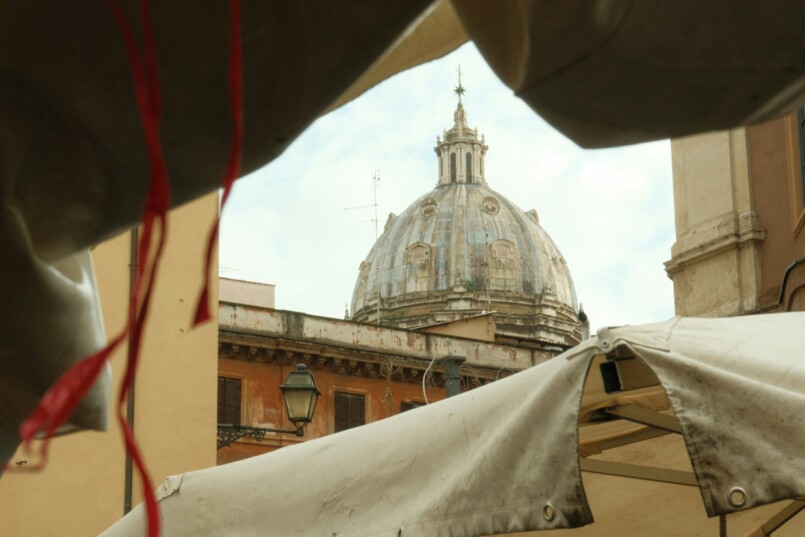
Some of those who participate in the walk now tend to include an unofficial eighth church in the pilgrimage: the Santa Maria in Vallicella Church, AKA the Chiesa Nuova, very close to a number of our managed apartments, as Philip Neri himself began his walk from there (the church was built during Neri’s lifetime but after he already started this custom).
What’s important to know is that you don’t have to be a believer to be a pilgrim – you can just appreciate the history behind this particular rite, or the art at the churches included in the itinerary.
You can read more about St. Philip Neri and the Sette Chiese pilgrimage at this address.




Join The Discussion