



Rome with reduced mobility: an honest guide
- September 3, 2026
- Museums, Piazza Venezia area, Spagna area, Trevi area
 by C. P.
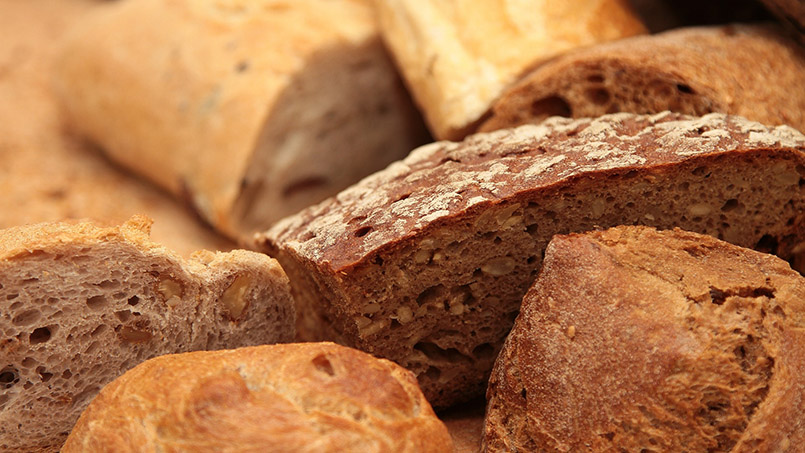
When we talk to our clients at From Home to Rome, we always encourage them to try their hand at grocery shopping as they visit the city. While it may seem overwhelming, it’s the perfect way to discover the place you’re visiting and the habits of its residents. In the process, you can find out about exciting new ingredients and sometimes even take a history lesson!
That’s especially true when you’re buying bread in Rome. Because when you’re getting a loaf or a sub, you’re not just buying a type of food.
Bread, particularly in this city, has a long history that’s inescapably bound with the populations and cultures that called Italy home a long time before it became a sovereign country. It can be argued that the many type of breads in Italy are artefacts for past civilizations!
While you’ll be able to buy focaccia or breadsticks just fine, go local when you’re shopping: those two types are not from around here, but here is something that is
There are countless books written on bread and Italy’s relationship to this type of food (case in point: this one tome). As a matter of fact, there could be blogs based on the same subject – we’re confident they wouldn’t run out of things to say!
However, it wasn’t always like this. Ancient Romans didn’t care especially for bread until they got in touch with the Greek civilization: Greeks were baking masters, and taught Romans how to use different types of cereals for making bread: rye, spelt, wheat… whereas the Roman puls, as it was called, was mostly made with powdered broad beans. Unsurprisingly, the local population went crazy for the Greek kind of variety.
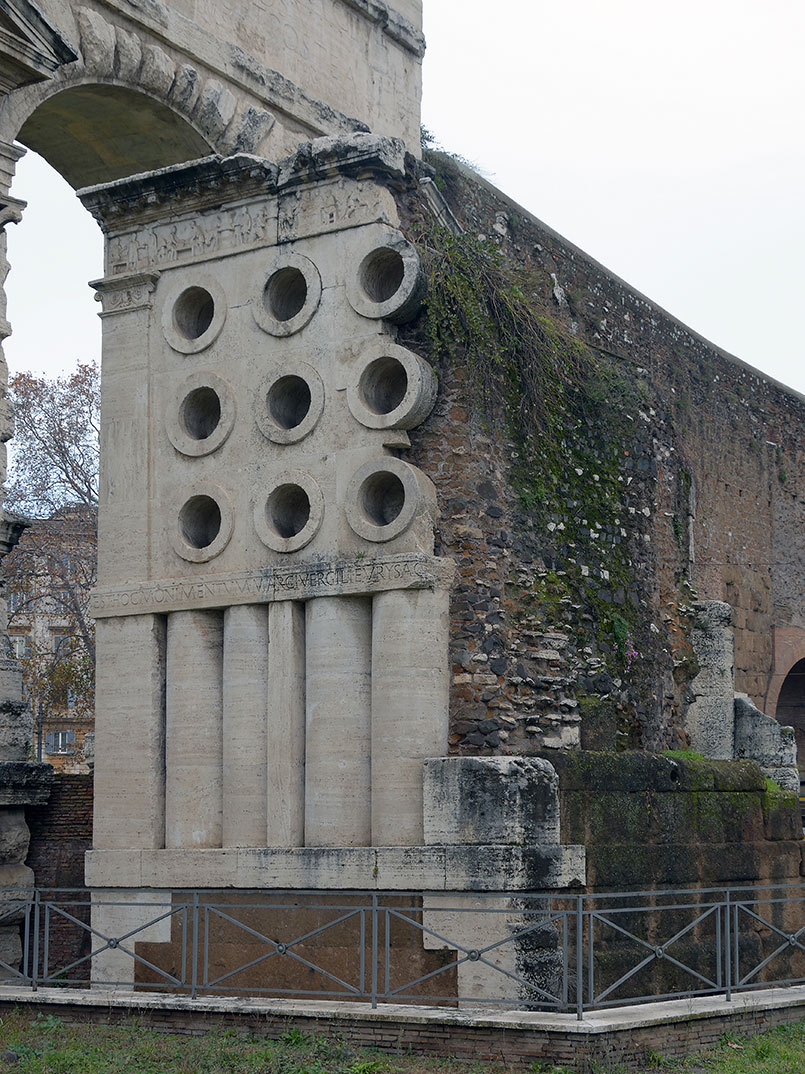
Bakers became the rockstars of their time, here in Rome. They were admired and, most importantly, they became rich. To this day, one of the main features at the impressive junction on Piazzale di Porta Maggiore is the tomb of master baker Eurysaces as well as his wife Atistia. You can even get to see their faces when you visit the Centrale Montemartini Museum, where the bas-relief with the image of husband and wife is stored to preserve it from pollution… and pigeons, possibly.
To this day, many types of the bread Romans eat are the “descendants” of those early types taught to locals by the Greeks. Or they have ties to a more recent history.
For example, worldwide known saltine crackers have a direct tie with what Romans called Panis Nauticus, a dried biscuit-like type of bread that could be stored for months and was destined to be used on ships.
And according to legend, the ubiquitous maritozzo, which is traditionally filled with whipped cream and offered in cafes for breakfast, is nothing but a twist on what was offered by men to their wives-to-be. It could even be the perfect hiding place for a ring!
Some of you, additionally, may be wondering why so called pane sciapo is a thing in Rome. Sciapo is a romanesco word for “salt-free”. This type of bread was introduced in relatively more recent times by expats from the Marche region, Tuscany or Umbria (impossible to say who got to Rome first!).
Umbrians claimed they started this back in 1540, when the Pope imposed a tax on salt – the Umbria area rioted against the decision, and when the city of Perugia was eventually vanquished, the whole population still decided to remove the salt from their bread as a protest. The tradition continues to this day, and it doesn’t have anything to do with criticism against the Vatican: rather, less salt is recognized to being a good thing for your body, so a… fiscal protest eventually became a lesson in health.
You will be able to recognize hoagies or loaves as you do your grocery shopping, but again, we encourage you to go out of your comfort zone and explore different types of bread you will only able to find in Rome:


Join The Discussion